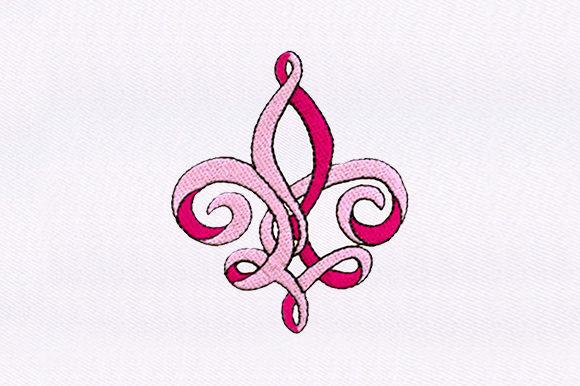
Pattern Quilting Embroidery Design Review
First Impressions of Pattern Quilting
As an experienced embroidery designer, my first encounter with Pattern Quilting immediately evokes a sense of warmth and texture. This machine embroidery design feels like it was stitched from the heart of a cozy workshop, making it a perfect fit for sweatshirt embroidery projects. The layout is balanced yet intricate, offering just enough detail to catch the eye without overwhelming the fabric.
The mood of Pattern Quilting leans toward rustic charm with a touch of playfulness. It’s the kind of design that would look equally at home on oversized hoodies as it would on a minimalist pastel sweatshirt. Its stitching personality is soft but confident—something that can easily transition from a boutique brand’s seasonal collection to a handmade product sold on Etsy.
How Pattern Quilting Works for Sweatshirt Embroidery
Pattern Quilting is designed to work well across various custom apparel applications. For a limited sweatshirt drop, this design could be placed on the chest of a hoodie, serving as a subtle yet stylish focal point. It also has potential as a sleeve accent or even a back design for those looking to make a bolder statement.
The versatility of Pattern Quilting allows it to adapt to different hoodie designs, whether you're aiming for a cute, feminine, or minimal aesthetic. As a small shop product, it adds value by creating visual recognition and helping build brand identity through consistent design elements.
For Etsy sellers and apparel decorators, using Pattern Quilting in your product photography and mockup previews can elevate your listings. Pairing it with a printable mockup will allow customers to see how the design translates onto real garments, boosting customer engagement and buyer trust.
Design Considerations for Commercial Use
When considering Pattern Quilting for commercial embroidery, there are several practical concerns to address. First, thread color contrast is essential. On dark fabrics, choosing thread colors that pop will ensure the design remains visible and impactful. Conversely, on light or pastel-colored sweatshirts, muted tones may create a more subdued, decorative effect.
Stitch density and hoop size also play a role in the final outcome. While the file formats provided (including DST, PES, and JEF) support a wide range of machines, it's important to test the design on your specific equipment to ensure the stabilizer and fabric texture won’t affect the finished product.
Fabric thickness is another factor. Since sweatshirts often have a heavier fabric compared to lighter tees, selecting the right stabilizer and adjusting hoop placement can help maintain the integrity of the design during stitching. Additionally, ensuring the washing durability of the embroidery is crucial for long-term satisfaction, especially for handmade product lines that emphasize quality.
The small-size readability of Pattern Quilting should also be tested. If the design is intended for smaller placements such as a chest patch or sleeve accent, it needs to remain clear and defined without losing its character. A good rule of thumb is to review the design at 50% scale before finalizing production.
Impact on Product Value and Branding
Pattern Quilting can significantly enhance the product value of any boutique brand collection. By adding a unique, handcrafted element to your custom apparel, you’re not just selling a garment—you’re offering a story. This kind of storytelling helps differentiate your brand in a competitive market, especially for digital embroidery file users who rely on design assets to stand out.
From a branding perspective, Pattern Quilting contributes to visual recognition and customer loyalty. When buyers see the same design across your small shop product line, it reinforces your brand identity and makes your offerings more memorable. Whether you're targeting crafters, creative entrepreneurs, or apparel decorators, this design aligns well with a handmade presentation that appeals to conscious consumers.
Ultimately, Pattern Quilting is a versatile and thoughtful addition to any custom apparel project. Its ability to blend casual with premium aesthetics makes it ideal for small clothing brands and digital sellers looking to offer something both beautiful and functional. Just remember to check the exact stitch count, hoop size, and license terms before moving forward with production, as these details are key to ensuring a successful finished product.